
Your Complete Guide to Daily Nutrient Balance


TL;DR:
A balanced daily intake of macronutrients and micronutrients supports overall health and prevents deficiencies.
The plate method simplifies meal planning by promoting variety and proportion across food groups without calorie counting.
Daily nutrient balance means consuming the right amounts of macronutrients and micronutrients each day to support your health and prevent deficiencies. Most people focus on calories alone, but the American Medical Association clarifies that good nutrition is about informed choices covering the full spectrum of nutrients, not just calorie counting. The 2025–2030 Dietary Guidelines for Americans and Health Canada’s plate method both confirm that food variety and proportion matter far more than hitting a single number. This guide to daily nutrient balance gives you a practical, habit-based framework to eat well consistently, without obsession or burnout.
What does a guide to daily nutrient balance actually cover?
Daily nutrient balance is the recognized term in nutrition science for meeting your body’s needs across all major nutrient categories every day. It covers macronutrients, which are protein, carbohydrates, and fats, as well as micronutrients, which include vitamins and minerals. The 2025–2030 Dietary Guidelines recommend prioritizing whole, nutrient-dense foods including vegetables, fruits, whole grains, lean proteins, dairy, and healthy oils while limiting added sugars, saturated fats, and sodium. That framework is the foundation of every practical strategy in this article.
Nutrient balance matters because deficiencies show up as real symptoms. Low iron causes fatigue. Insufficient vitamin D weakens bones. A shortage of omega-3 fatty acids raises cardiovascular risk. Diet quality matters more than calories alone for long-term health outcomes. Getting the balance right protects you from chronic disease and keeps your energy stable throughout the day.
Which key nutrients do you need every day?
Your body needs three macronutrients in large amounts and dozens of micronutrients in smaller amounts. Each group plays a distinct role, and gaps in any category create problems.
Macronutrients and their roles
Protein builds and repairs muscle, produces enzymes, and supports immune function. Good sources include chicken, fish, eggs, legumes, and tofu.
Carbohydrates are your body’s primary fuel source. Whole grains, vegetables, and fruits provide fiber alongside energy, which slows digestion and stabilizes blood sugar.
Fats support hormone production, brain function, and fat-soluble vitamin absorption. Healthy sources include olive oil, avocado, nuts, and fatty fish.
Micronutrients to prioritize
Vitamins and minerals drive metabolic processes your body cannot run without. Vitamin C supports immune defense and iron absorption. Calcium and vitamin D maintain bone density. Magnesium regulates over 300 enzymatic reactions. B vitamins convert food into usable energy. You can find a detailed breakdown of nutrient types and deficiency signs to identify gaps in your current diet.

Common deficiency risks include iron (especially in women of reproductive age), vitamin D (particularly in northern climates during winter months), and magnesium (often low in people eating highly processed diets). Signs to watch for include persistent fatigue, brittle nails, muscle cramps, and slow wound healing.
Pro Tip: Eat at least one dark leafy green every day. Spinach, kale, and Swiss chard deliver iron, magnesium, calcium, and folate in a single serving.
How does the plate method work for balanced daily meals?
The plate method is the simplest visual tool for building nutrient-balanced meals without counting calories. Health Canada recommends filling half your plate with fruits and vegetables, one quarter with whole grains, and one quarter with protein. That proportion naturally delivers fiber, complex carbohydrates, and amino acids in one meal.
Building each section of your plate
Half plate: vegetables and fruits. Choose a variety of colors. Red bell peppers provide vitamin C. Dark leafy greens supply iron and folate. Berries deliver antioxidants. Aim for at least three different colors per meal.
Quarter plate: whole grains. Brown rice, quinoa, oats, and whole wheat bread all qualify. These provide sustained energy and fiber that feeds beneficial gut bacteria.
Quarter plate: protein. Rotate between animal and plant sources across the week. Salmon, lentils, chicken breast, black beans, and Greek yogurt each bring different amino acid profiles and micronutrients.
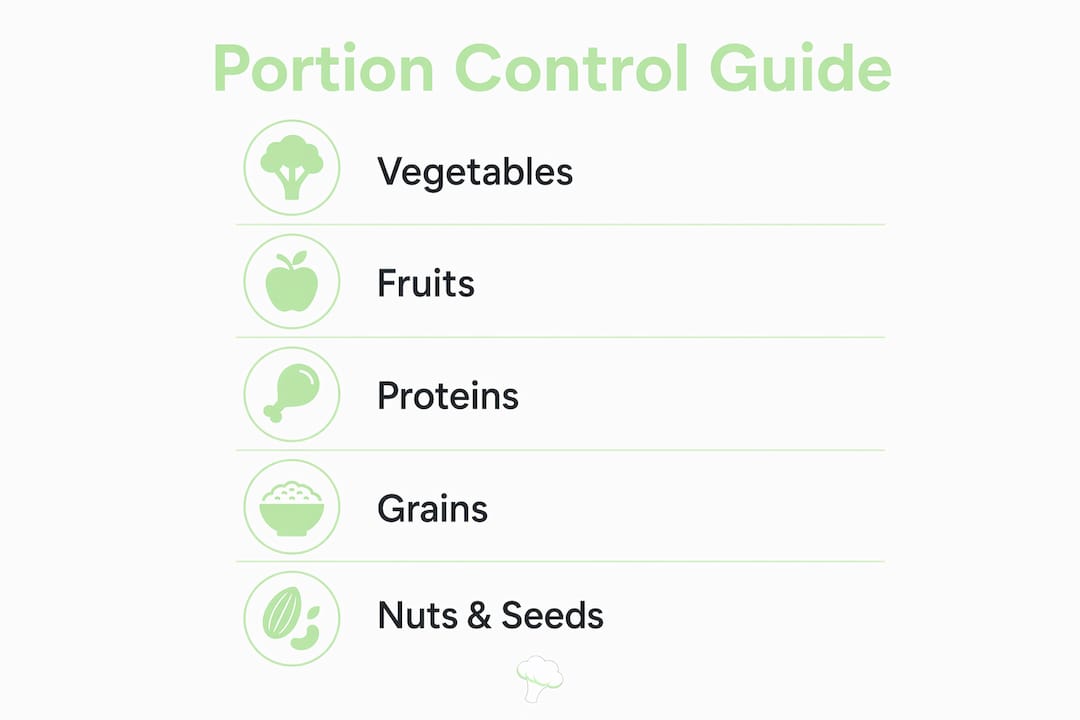
Portion control with nutrient-dense foods
Food category | Practical portion guide | Why it matters |
Nuts and seeds | 1 oz (about a small handful) | Calorie-dense; easy to overeat |
Whole grains | Half a cup cooked | Provides fiber without excess carbs |
Lean protein | 3–4 oz cooked | Meets amino acid needs without excess saturated fat |
Leafy greens | 2 cups raw | Low calorie, high micronutrient density |
Pro Tip: Prep your plate visually before eating. Physically dividing your plate into sections takes five seconds and removes the need for any mental math about portions.
How do you tailor nutrient balance to your lifestyle?
Your nutrient needs are not identical to anyone else’s. Age, gender, activity level, and health status all shift your requirements significantly. A 25-year-old athlete needs more protein and carbohydrates than a sedentary 60-year-old. Pregnant women need more folate and iron. People with Type 2 diabetes need to manage carbohydrate quality carefully. Reviewing personalized nutrient targets helps you move beyond generic advice and build a plan that fits your actual life.
Factors that shift your daily needs
Age: Older adults need more calcium, vitamin D, and protein to counter muscle and bone loss.
Activity level: The American Heart Association recommends at least 150 minutes of moderate activity weekly. Higher activity increases calorie and carbohydrate needs.
Health status: Conditions like anemia, osteoporosis, or kidney disease require specific nutrient adjustments.
Dietary pattern: Vegans need to plan for vitamin B12, iron, zinc, and omega-3s, which are harder to get from plant foods alone.
Avoiding the most common pitfalls
Experts note that focusing excessively on one nutrient, such as protein, causes people to neglect the broader variety their body needs. High-protein diets often crowd out fiber-rich carbohydrates and plant foods, which deliver micronutrients and support gut health. The fix is simple: build meals around variety first, then check that protein is present.
Overconsuming even healthy foods creates problems. Eating too many calorie-dense nuts or high-oxalate vegetables can lead to weight gain or kidney stones. Balance and moderation apply to whole foods too, not just processed ones.
“Sustainable nutrient balance comes from simple, repeatable anchor habits — choosing one favorite protein, one fiber-rich carbohydrate, and one produce item you enjoy, then repeating that pattern consistently.”
This anchor system removes decision fatigue. You are not planning a new meal every day. You are rotating a small set of foods you already like, which makes consistency realistic rather than aspirational.
What tools and techniques help you track nutrient intake?
Tracking your nutrient intake does not require obsessive logging. Registered dietitians emphasize that small, achievable habit changes create lasting nutrition improvements far more reliably than extreme restrictions or detailed daily tracking.
Three practical tracking methods compared
Method | Best for | Limitation |
Food journaling | Building awareness of eating patterns | Time-consuming; easy to abandon |
Plate method | Quick visual portion control at every meal | Does not capture micronutrient detail |
Nutrient tracking apps | Monitoring over 60 nutrients including vitamins, minerals, and amino acids | Requires consistent logging to be useful |
The plate method works well as a daily default. Food journaling adds value when you suspect a specific deficiency. Nutrient tracking apps give you the most complete picture, especially if you want to monitor micronutrient needs beyond macros.
Building consistency without burnout
Tracking every micronutrient daily causes fatigue. A more sustainable approach is to focus on weekly variety. Eat different colored vegetables across the week rather than trying to hit every target every day. A rotation of red, orange, green, and purple produce over seven days covers most micronutrient gaps naturally.
Small habit anchors work better than complex systems. Add a protein source to every meal. Swap one refined grain for a whole grain each day. Drink water before each meal to reduce the chance of mistaking thirst for hunger. Each change is minor on its own. Together, they shift your nutrient intake significantly over weeks. You can also review nutrient tracking methodology to understand which approach fits your goals best.
Pro Tip: Do a weekly “color check” on your produce. If you ate mostly green vegetables, add orange, red, or purple options next week. This single habit covers most micronutrient variety without any calorie counting.
Key Takeaways
Daily nutrient balance requires consistent variety across food groups, not perfection at every single meal.
Point | Details |
Use the plate method | Fill half your plate with vegetables and fruit, a quarter with whole grains, and a quarter with protein. |
Prioritize variety over single nutrients | Rotating colorful produce across the week covers micronutrient gaps more effectively than targeting one nutrient. |
Tailor intake to your life | Age, activity level, and health status all shift your daily nutrient needs significantly. |
Apply portion control to all foods | Even nutrient-dense foods like nuts and leafy greens require moderation to avoid weight gain or other issues. |
Use simple anchor habits | Pick one protein, one fiber-rich carb, and one produce item you enjoy, then repeat consistently. |
Why I think most people overcomplicate this
People come to nutrition with the expectation that getting it right requires a degree in biochemistry. After spending years reading the research and watching how people actually eat, I am convinced the opposite is true. The people who eat well long-term are not the ones with the most detailed meal plans. They are the ones with the fewest decisions to make at mealtime.
The biggest mistake I see is treating nutrient balance as a daily exam you can pass or fail. You ate a donut at breakfast, so the whole day is ruined. That thinking is the fastest path to giving up entirely. Nutrient balance is a weekly average, not a daily score. One meal does not define your health. A consistent pattern over months does.
What actually works is building a small set of meals you genuinely like that happen to be nutritious. Not meals you tolerate because they are healthy. Meals you look forward to. When you enjoy the food, you eat it again. When you eat it again, it becomes a habit. That is the entire system.
The 2025–2030 Dietary Guidelines are not asking you to be perfect. They are asking you to shift the proportion of whole foods upward over time. That is a much more achievable goal than most people realize. Start with one meal a day that follows the plate method. Build from there.
— Alvi
How Bimiapp supports your daily nutrient goals
Knowing what to eat is one thing. Knowing whether you are actually hitting your targets is another.

Bimiapp tracks over 60 nutrients, including amino acids, vitamins, minerals, and fatty acids, giving you a complete picture of your intake beyond just macros. The platform uses AI-powered photo recognition to log meals quickly, then applies personalized recommendations based on your age, weight, BMI, and activity level. You can store meals in the Meals Vault, review weekly trends, and spot deficiencies before they become symptoms. Check the how it works page to see how Bimiapp builds a nutrient profile specific to you, not a generic 2,000-calorie baseline.
FAQ
What is daily nutrient balance?
Daily nutrient balance means consuming adequate amounts of macronutrients (protein, carbohydrates, and fats) and micronutrients (vitamins and minerals) each day to support body functions and prevent deficiencies.
How do I know if my diet is nutritionally balanced?
Signs of imbalance include persistent fatigue, brittle nails, muscle cramps, and slow recovery. Reviewing key indicators of nutritional balance or using a nutrient tracking app gives you a more objective picture.
What is the easiest method for balanced daily meals?
The plate method is the most practical starting point. Fill half your plate with vegetables and fruit, one quarter with whole grains, and one quarter with protein, as recommended by Health Canada.
Can you eat too much of a healthy food?
Yes. Overconsuming calorie-dense healthy foods like nuts or high-oxalate vegetables can cause weight gain or kidney stones. Portion control applies to all foods, not just processed ones.
How often should I track my nutrient intake?
Daily tracking builds awareness initially, but weekly variety checks are more sustainable long-term. Focus on rotating different colored vegetables and protein sources across the week rather than hitting every micronutrient target every day.
Recommended
Comments